Which Type of Mouth Does a Praying Mantis Have?

Which Type of Mouth Does a Praying Mantis Have?

Living organisms have different mouthparts and shapes depending on their eating habits. A praying mantis is a carnivorous insect and feeds on living creatures, so its mouthparts are adapted to chew tough bodies of other insects covered with exoskeleton. They have powerful jaws and use them to grab prey and eat them as food by … Read more
How Can I Tell If My Praying Mantis Eggs Have Hatched?

How Can I Tell If My Praying Mantis Eggs Have Hatched?

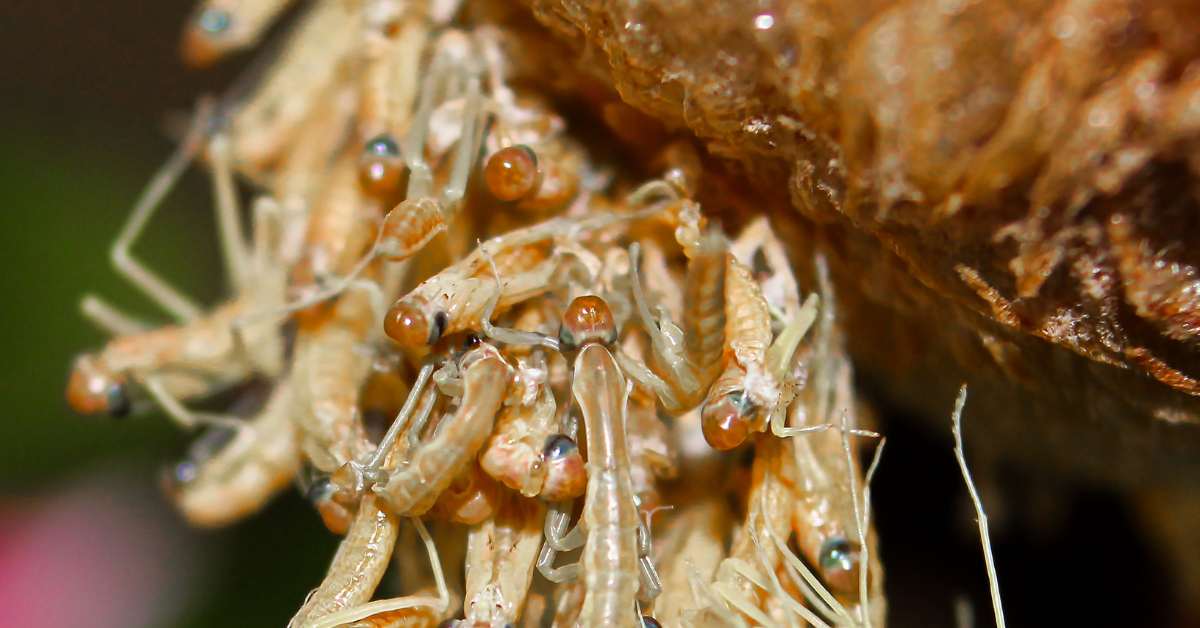
It is pretty challenging for praying mantis keepers to know whether eggs are present inside the ootheca or they have hatched. Some people get to know about it by seeing the moving nymphs around the egg case, but look for other signs when they do not appear around an ootheca. How Can I Tell If … Read more

Can a Praying Mantis Live in a House?

Can a Praying Mantis Live in a House?

Praying mantis usually inhabit outdoor areas, particularly gardens, because they prefer to live on the plants. Dense vegetation provides a hiding spot for these insects to avoid predator detection. They also move to indoor areas when the external environment is not favorable for their survival. Can a Praying Mantis Live in a House? Praying mantis … Read more

Can Butterflies Fly At 17000 Feet?

Can Butterflies Fly At 17000 Feet?

Flying several thousand feet higher from the ground is possible for many living creatures, and butterflies can also fly at higher altitudes. Also, it seems a great distance when you hear about 17000 feet, but a few species of butterflies can reach almost half of Mount Everest. They can also hover around the tallest buildings … Read more

How Fast Can Butterflies Fly?

How Fast Can Butterflies Fly?

Flying insects come across several challenges in flight and have varying flying speeds according to their abilities to manage their flight. In the same way, butterflies also deal with air resistance and weather challenges to move. Generally, they are slow fliers, but a few have a high rate of wingbeats due to high muscular strength. … Read more